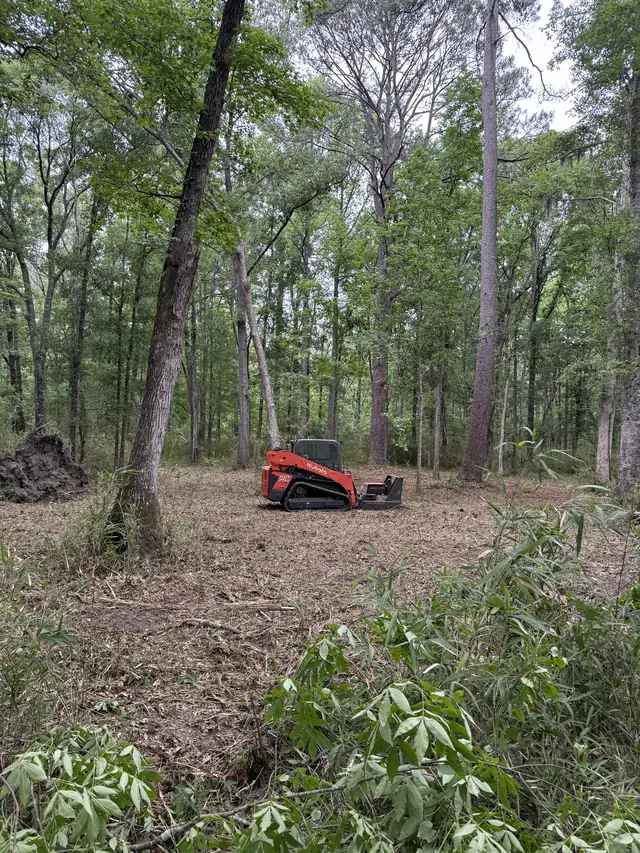
Forestry Mulching
One machine grinds standing brush, saplings, and small trees into a clean mulch layer. No burn piles, no hauling, no torn-up ground.
Learn More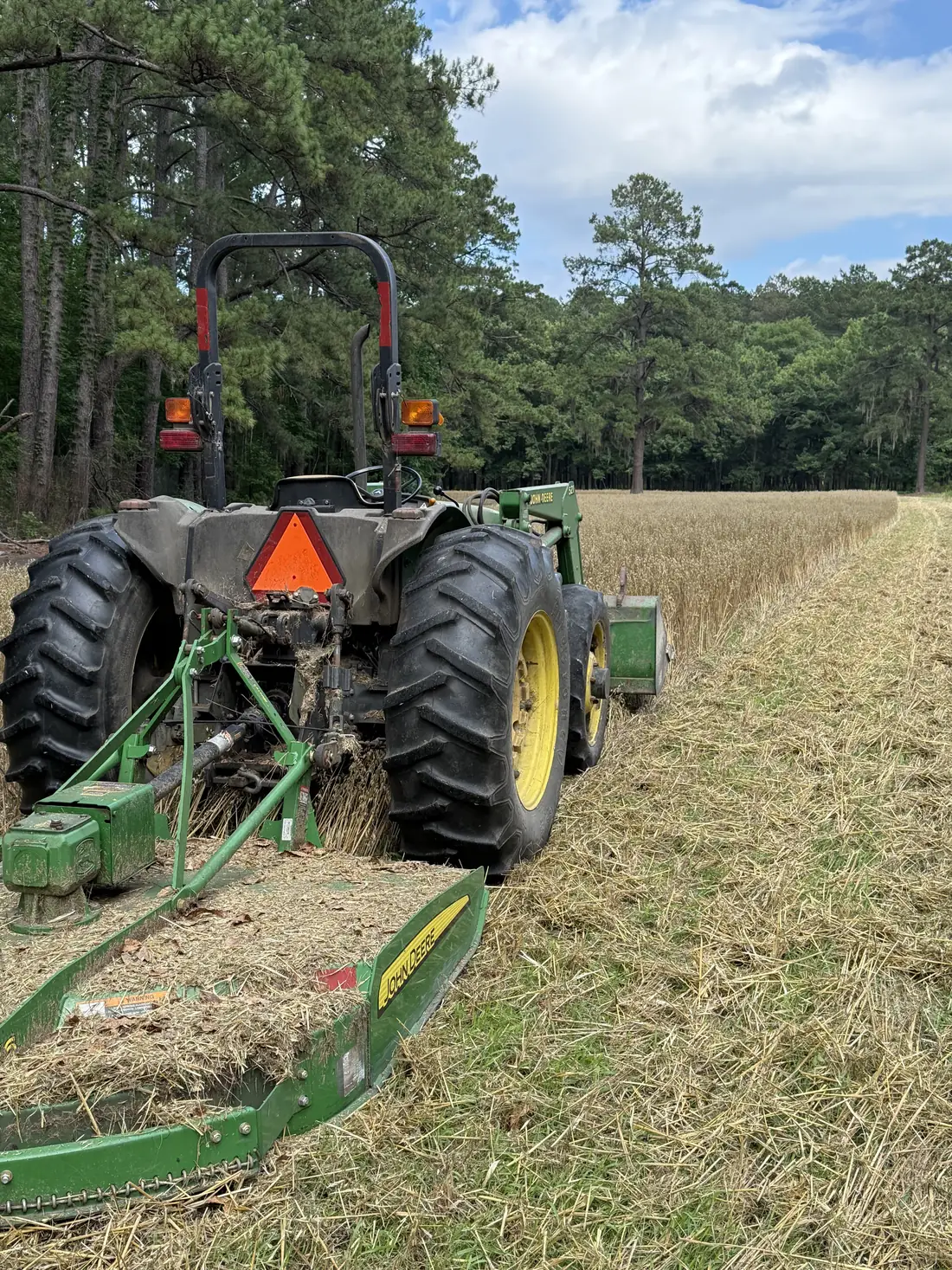
Bush hogging is the workhorse service for open ground around Charleston, Summerville, Walterboro and the South Carolina Lowcountry. Fields gone to broomsedge, dog fennel and blackberry are too rough for a finish mower but not yet a thicket. Our tractor and rotary cutter knock that growth back to clean stubble, faster and for less per acre than mulching. For local detail, see bush hogging in Summerville, Walterboro bush hogging and bush hog work around Cottageville.
The judgment call is stem size. A bush hog cuts tall weeds and light woody growth, while thick sweetgum belongs to the mulcher. During your free estimate, we will point out which ground is still hog work and which needs forestry mulching. A pasture reclaim can call for both tools on the same job.
Tell us about your ground and we will get right back to you.
Lowcountry fields do not wait. A season of sun and rain puts growth chest-high, and after two seasons the woody stuff is in. Caught in time, all of it is still bush hog work. Fast passes leave a clean cut and a field that looks kept instead of abandoned.
The economics matter here. Bush hogging costs less per acre than mulching because it is faster and simpler work. That is exactly why we offer both. Ground a rotary cutter can handle should be priced as bush hog work, and that is how we quote it.
Bush hogging is mowing rough, overgrown ground with a tractor and a rotary cutter. Clemson Extension notes that a rotary cutter is commonly referred to as a bush hog. Brush hogging and brush mowing name the same job, as does tractor mowing with a rotary cutter. Clemson adds that the cutter still has a place where soil erosion is a concern, mowing instead of plowing.
Clemson Extension says a standard-duty rotary cutter suits soft, non-woody growth. For hardwood sprouts and small trees, it says to consider a medium-duty or heavy-duty rotary cutter. Cornell's Small Farms Program says the blades can cut through saplings and small trees up to several inches in diameter. To compare mower types, read our flail mower vs bush hog guide.
The cheapest clearing job is the one you never need. A yearly or twice-a-year bush hogging rotation holds a field at field. It stops pine and sweetgum volunteers before they thicken. Fence lines, lanes and pond edges stay usable year-round.
We can put your fields on a standing schedule, with each cut set on the calendar ahead of time. On hunting ground, we can plan the cuts around your hunting season. Our family plants and hunts food plots on its own 327-acre tract in the ACE Basin near Yemassee. Fields managed for quail and other wildlife need dates that work around nesting season, and you choose them.
Bush hogging ends at thick woody stems and at brush too dense to push a tractor into. Soft ground that will not carry wheels stops it too. A rotary cutter can force its way through some of that growth. The result is a beat-up cutter and a ragged, half-done field.
On mixed ground, the mulcher takes the heavy edges and thickets while the bush hog takes the open middle. Each tool does what it is built for, and the whole property comes out even. Ground too thick for the hog goes to brush clearing with the mulcher. Our guide on choosing between a bush hog and a forestry mulcher explains where the line falls.
Free, no-obligation estimates across the South Carolina Lowcountry.
(843) 696-7162From the first walk of the property to the final one, here is exactly how it goes.
We come out, walk the ground with you, and look at what is actually growing: brush density, stem sizes, wet spots, and anything you want protected or kept.
You get a free written estimate with a real timeline. We tell you exactly what the machine will leave behind, down to the finish on the ground.
The equipment shows up when we said it would. We clear to your flags, work selectively around keeper trees, and grind everything else into a clean mulch layer.
We walk the finished ground together. A finish pass evens out the mulch bed, and the job is done when you say it looks right, not when we drive away.
Common questions about bush hogging across the South Carolina Lowcountry. Don't see yours? Call us, we're happy to help.
The towns that call us most for this work have their own pages:
One machine grinds standing brush, saplings, and small trees into a clean mulch layer. No burn piles, no hauling, no torn-up ground.
Learn More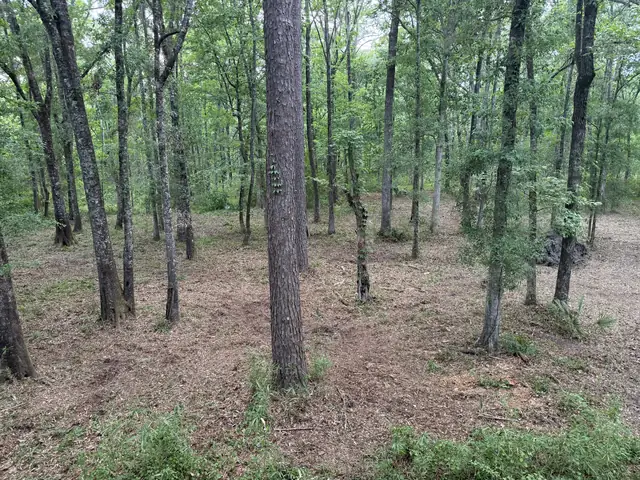
Whole parcels and problem acres taken from choked to open. Vegetation is ground in place: no burn piles, no debris trucks, no scraped-bare dirt.
Learn More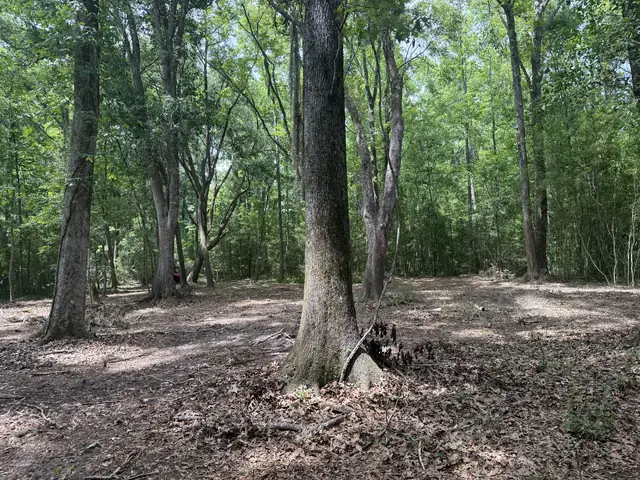
The brush layer under your oaks and pines (yaupon, privet, smilax, palmetto scrub) ground away so the woods open up park-like and walkable.
Learn More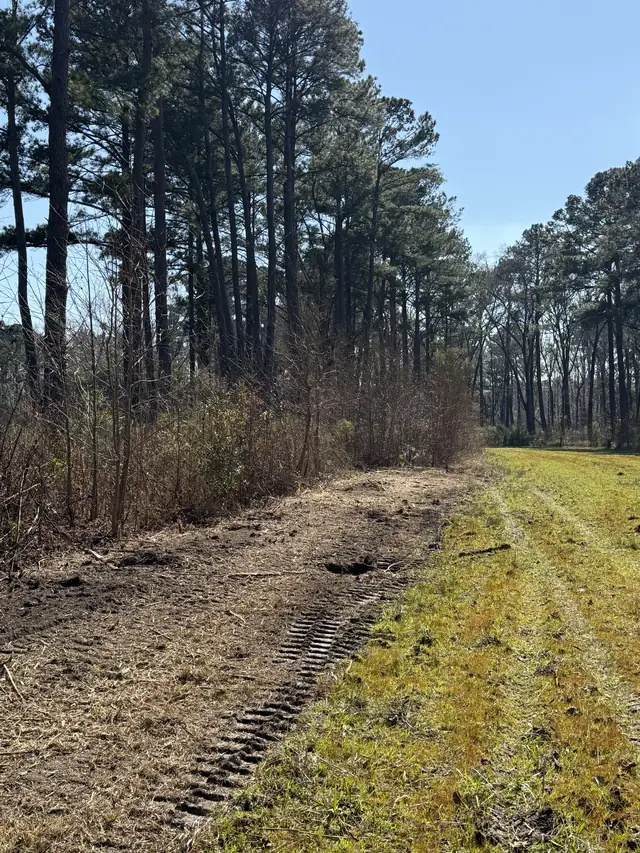
Overgrown lots and future homesites opened up so you can walk them, plan them, and show them. Cleared selectively, finished clean.
Learn More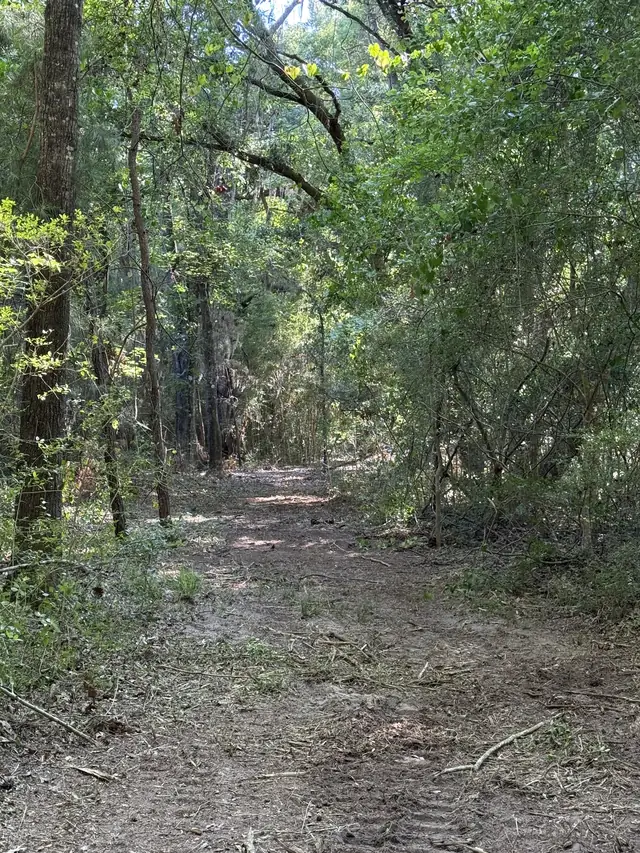
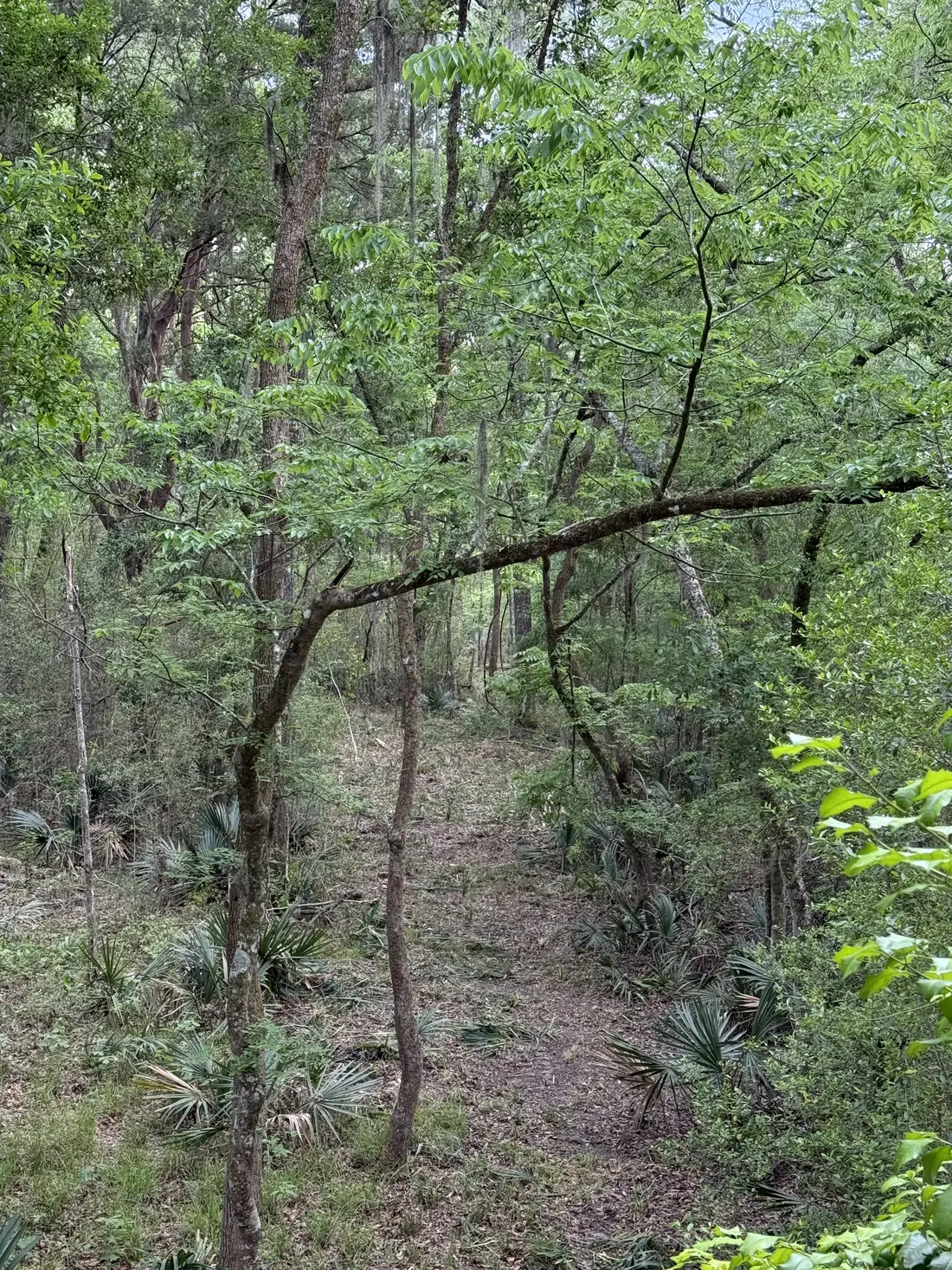
Walking trails, side-by-side lanes, camera lines, and shooting lanes cut through woods and brush, mulched clean so they stay open.
Learn More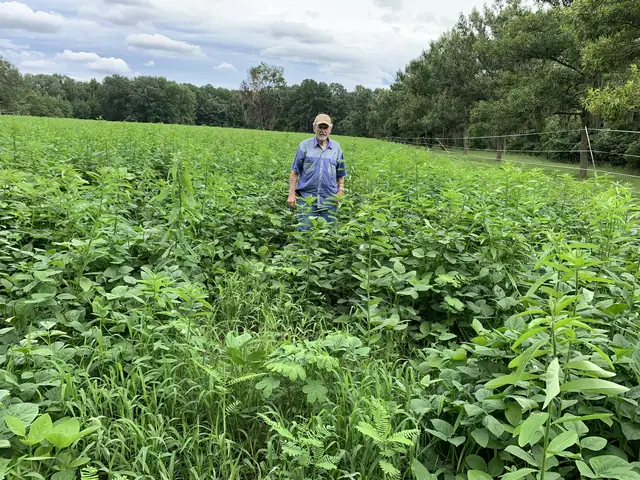
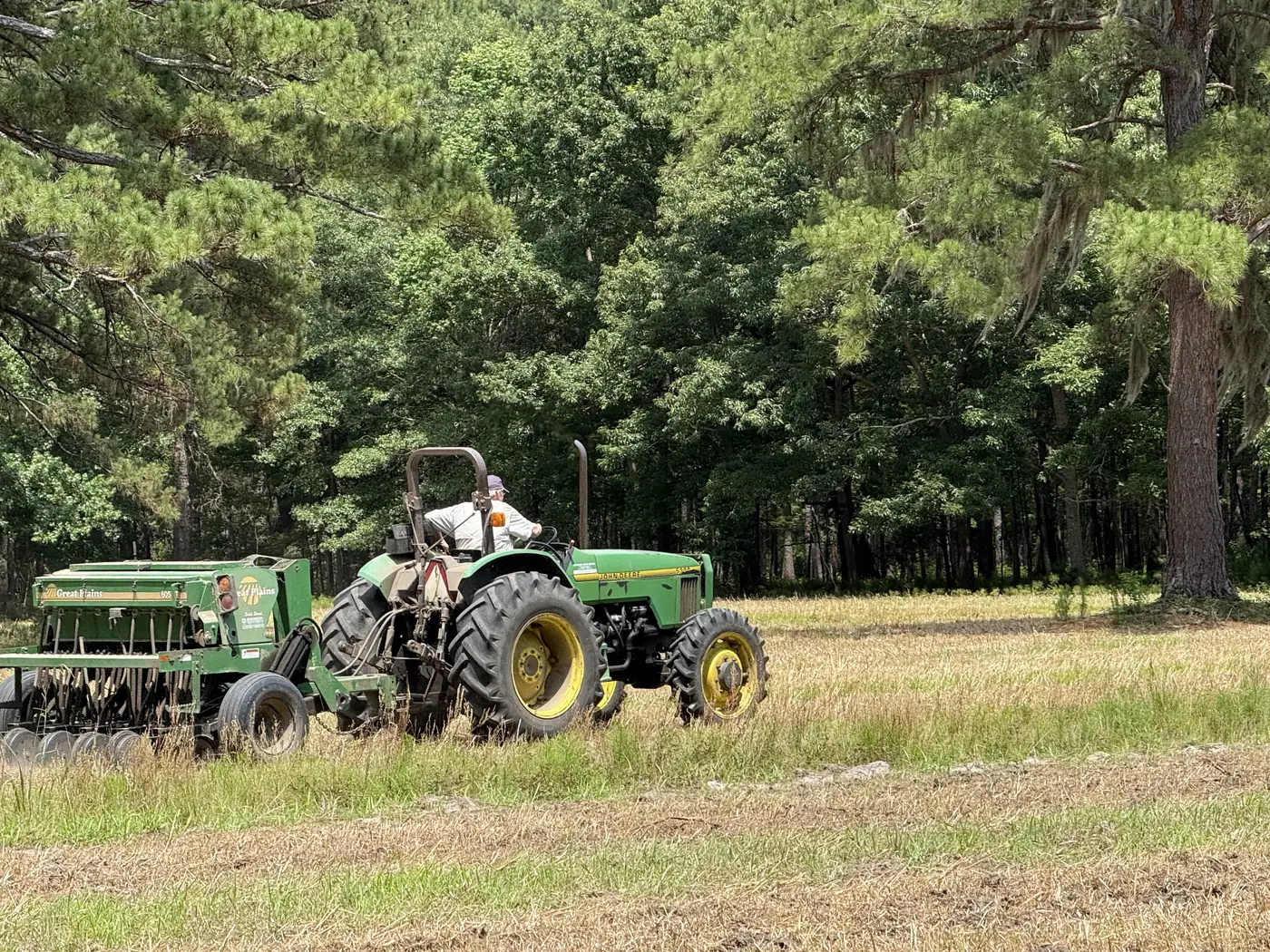
Ground cleared, prepped, and drilled into hunting food plots by a family that plants and hunts its own plots in the ACE Basin every year.
Learn MoreReal reviews from real clearing, mulching and hunting-land jobs on Google.
Awesome work on our property in Dorchester County, SC. Great price, professional, and timely. Highly recommend!!!
Court does a great job in shooting lanes. Very efficient! Very courteous!
Good equipment and job well done
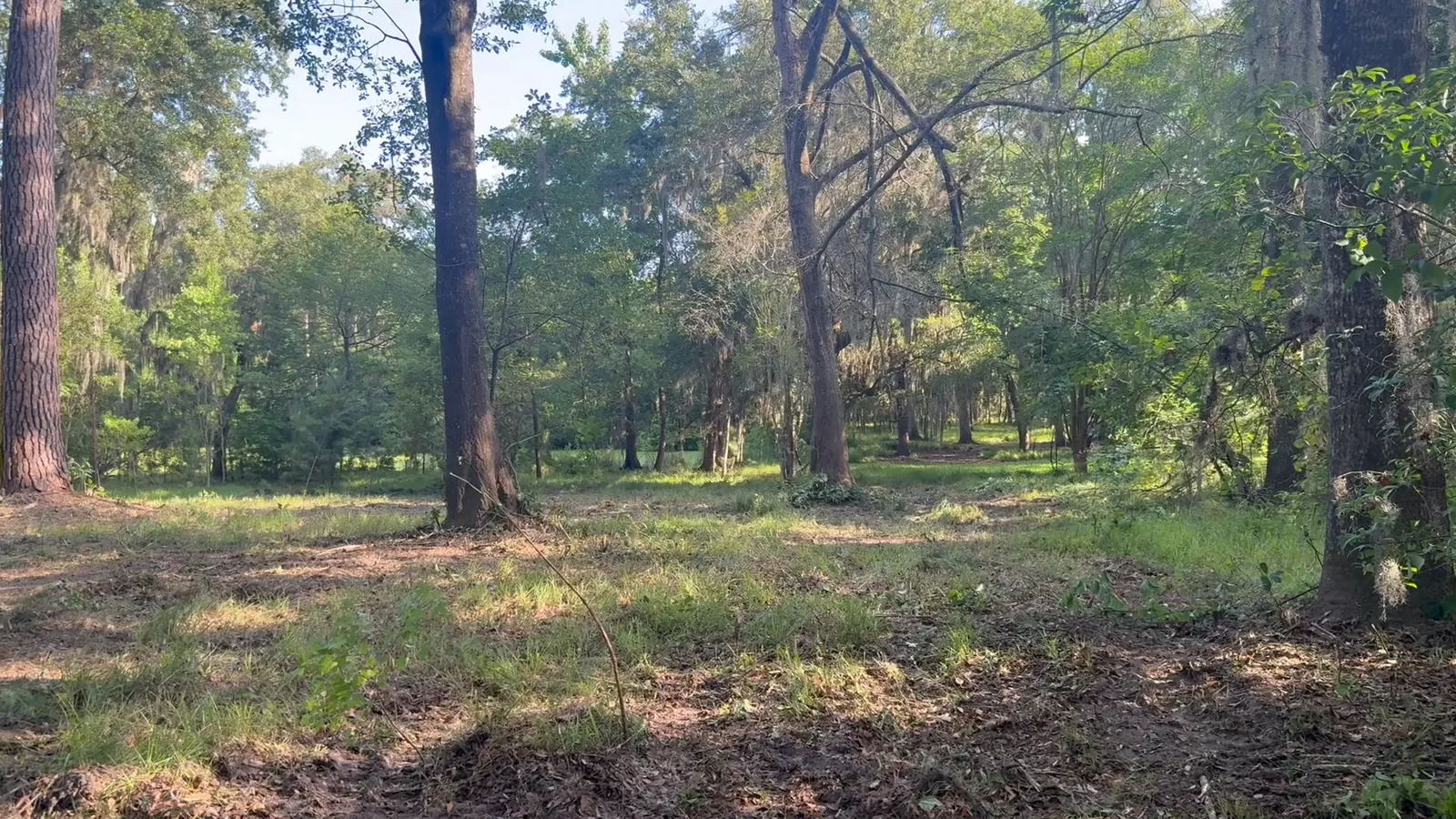
Flail mower vs bush hog for South Carolina land: how each one cuts, the finish it leaves, thrown debris, tractor size, upkeep and published mowing rates.
Read more →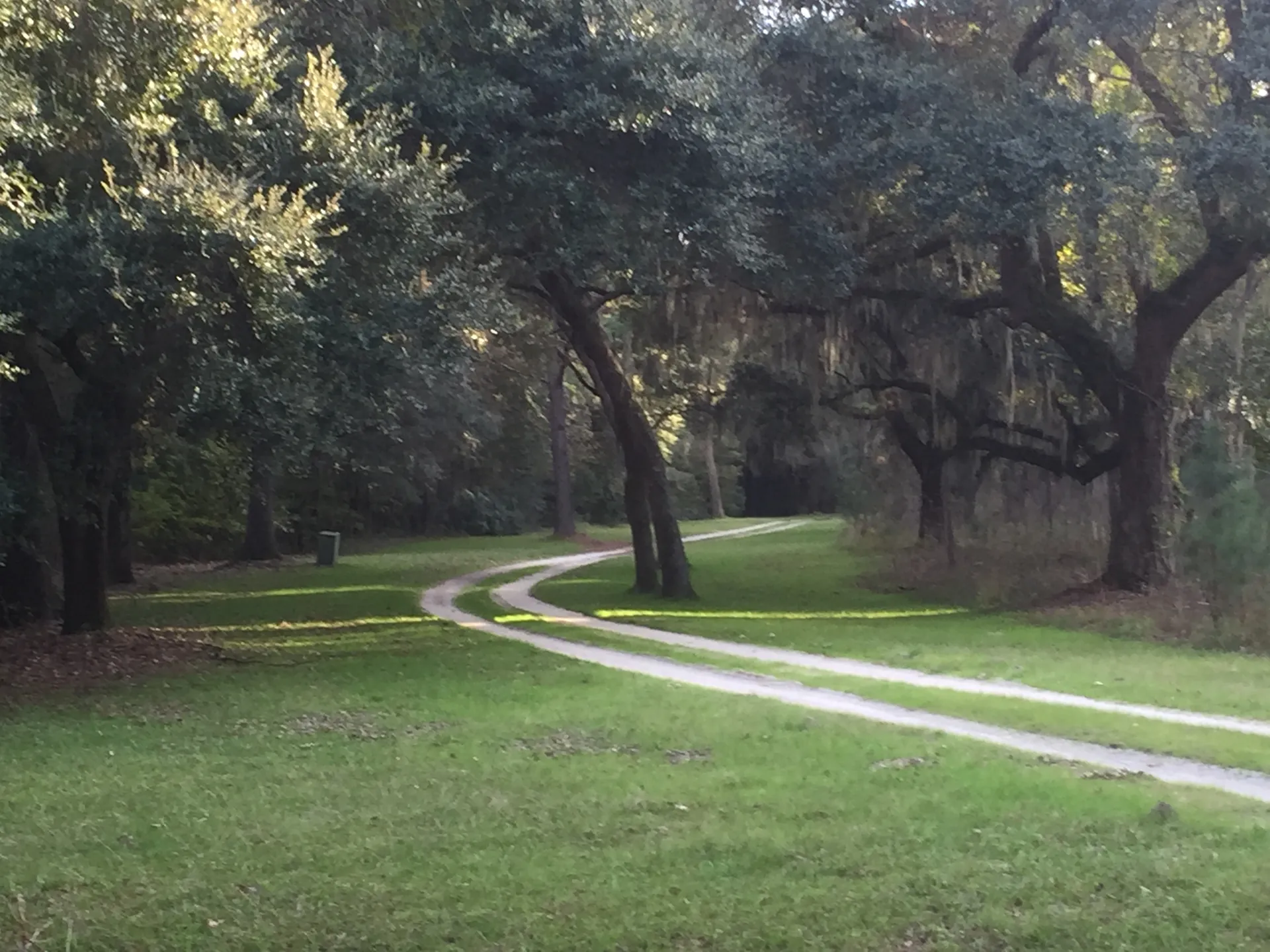
What bush hogging costs per acre and per hour in South Carolina: published 2026 ranges, what moves the price, and how often to cut a Lowcountry field.
Read more →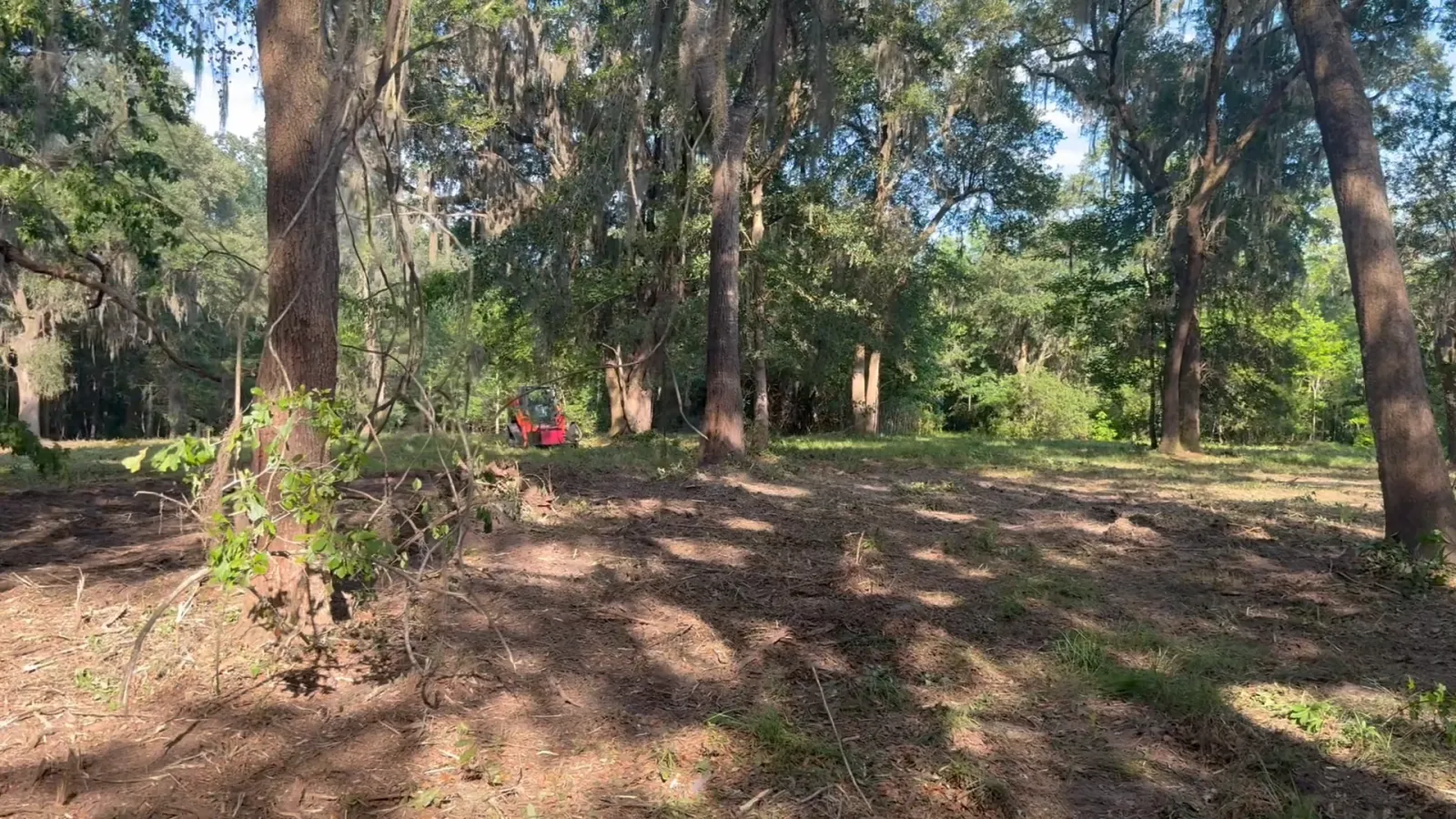
The honest line between bush hogging and mulching in the SC Lowcountry: stem size, cost, what each leaves behind, and why most tracts need both.
Read more →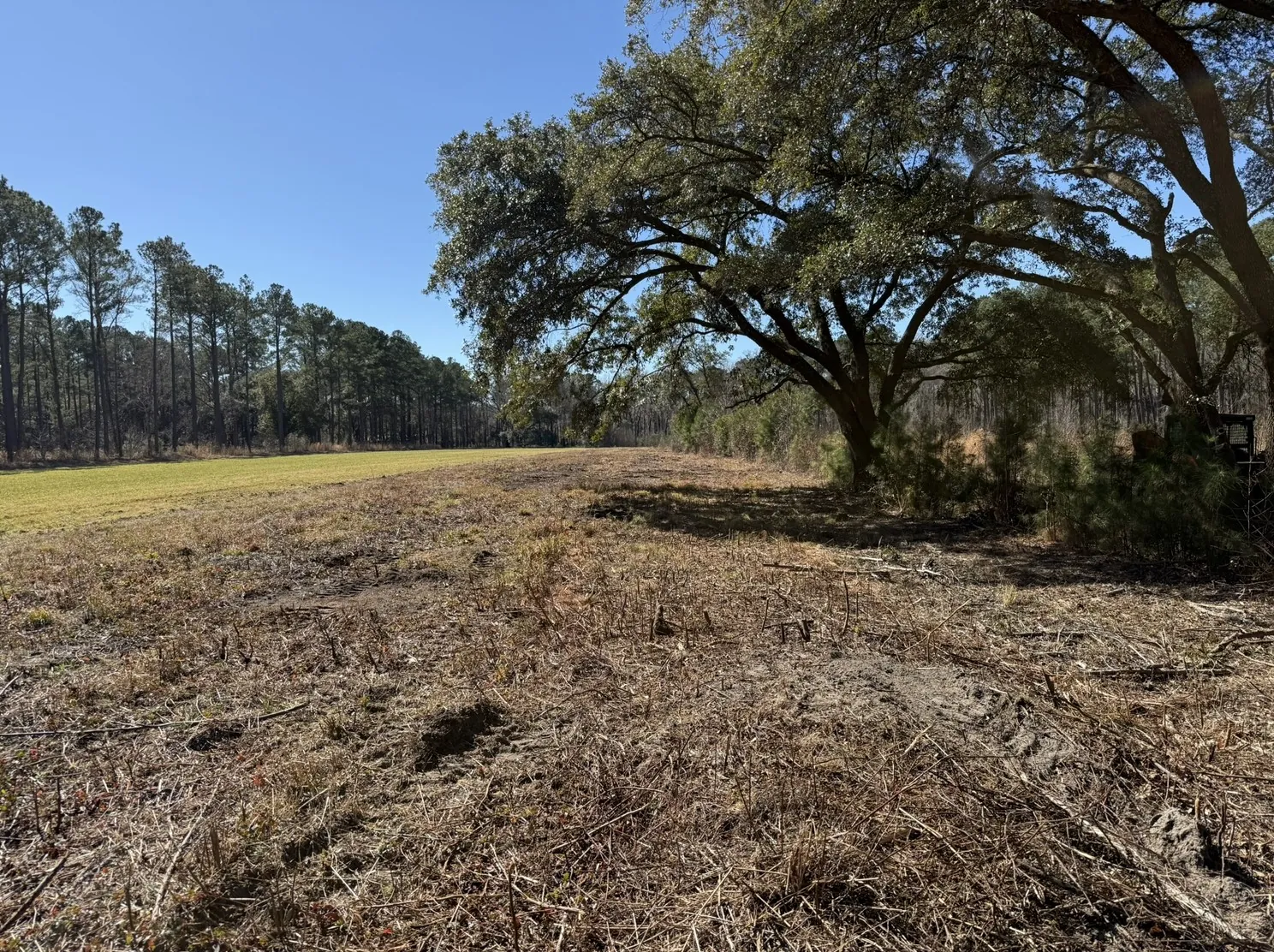
What a food plot costs per acre in South Carolina, from published figures for soil tests, lime, seed by forage, planting passes and opening the ground.
Read more →A father-and-son outfit out of Charleston. The people quoting your ground are the people running the machines on it, not a salesman or a call center.
Brush and small trees grind into a mulch layer right where they stood. No burn piles waiting on weather, no dumpsters, no debris trucks down your drive.
You get the price, the timeline and exactly what the mulcher will leave behind, in writing. The number holds unless the scope changes.
Our family manages its own 327-acre tract in the ACE Basin, with trails, plots and clearing we cut ourselves. The advice you get is what we do with our own money.
Overgrown field, choked woods, fence row you cannot find anymore? Call or send the form and we will look over the ground with you, talk through what it needs, and hand you a free written estimate.
Tell us about your ground and we will get right back to you.